
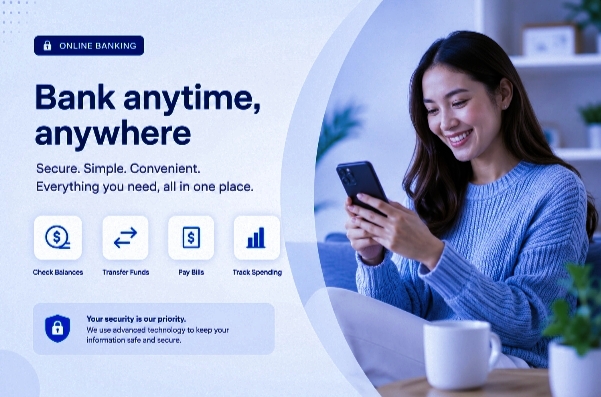
Have you heard about Online Banking for Client?, Today we will be talking about Online Banking Format and purpose of this is for you to know how this banking platform works.
Don’t be fast to skip Read till the ending of this post.
Note: This article is for educational purpose
Online Banking for Client

Online banking has changed the way people manage their money. Instead of visiting a bank branch for every transaction, clients can now access their accounts anytime and from almost anywhere using the internet. Whether you want to check your account balance, transfer money, pay bills, or download your bank statement, online banking makes these tasks quick and convenient.
Today, many banks offer secure online banking services that are easy to use, even for beginners. With just a smartphone, tablet, or computer, clients can complete most banking activities within minutes. This saves time, reduces stress, and provides greater control over personal finances.
Read Also: Consignment Format for Client
at the end of this post you will learn what online banking format is, how it works, its benefits, important features, registration steps, security tips, and common mistakes to avoid.
What Is Online Banking?
Online banking is a digital service that allows bank clients to access and manage their accounts through a secure website or mobile application. Instead of visiting a physical branch, customers can perform banking transactions online whenever they need them.
With online banking, clients can:
- Check account balances
- Transfer money
- Pay utility bills
- View transaction history
- Download account statements
- Manage debit or credit cards
- Apply for selected banking services
Online banking is different from mobile banking, although both provide similar services. Online banking usually refers to banking through a web browser, while mobile banking is performed through a dedicated banking app. Many banks offer both options for added convenience.
Why Clients Should Use Online Banking
Online banking provides several benefits that make financial management easier and more efficient.
Access Your Account Anytime
One of the biggest advantages is 24/7 access. Clients can log in to their accounts whenever they want without waiting for bank opening hours.
This means you can:
- Check your balance at any time.
- Transfer money instantly.
- Monitor your transactions regularly.
Fast and Convenient Transactions
Traditional banking often requires standing in long queues. Online banking eliminates this problem by allowing transactions to be completed within minutes.
You can quickly:
- Send money to family or friends.
- Pay electricity, water, or internet bills.
- Buy mobile airtime or data.
- Make online purchases.
This convenience saves valuable time.
Better Financial Management
Online banking allows clients to monitor their finances more effectively.
Most platforms provide:
- Real-time account balances
- Spending history
- Monthly account statements
- Transaction notifications
These features help users understand their spending habits and plan their budgets more effectively.
Saves Time and Travel Costs
Instead of traveling to the bank for simple services, online banking lets you complete most transactions from home, the office, or while traveling. This reduces transportation costs and helps busy individuals manage their finances more efficiently.
Key Features of Online Banking
Modern online banking systems include many useful tools designed to simplify banking.
Account Balance Inquiry
Clients can instantly check available balances without visiting a bank branch.
Fund Transfers
Money can be transferred:
- Between personal accounts
- To another customer in the same bank
- To accounts in different banks
Many transfers are processed quickly, depending on the bank’s policies.
Bill Payments
Online banking allows users to pay recurring bills conveniently, including:
- Electricity
- Water
- Internet
- Cable television
- Telephone services
Automatic payment options are also available with some banks.
Account Statements
Clients can download monthly or yearly statements for personal record keeping, loan applications, or business purposes.
Card Management
Users can:
- Block lost cards
- Request replacement cards
- Set spending limits
- Activate new cards
- View card transactions
Loan and Investment Services
Many banks also allow clients to:
- Apply for personal loans
- Open savings accounts
- Manage fixed deposits
- Track investments
How to Register for Online Banking
Registering for online banking is usually simple.
Step 1: Visit the Official Bank Website
Go to your bank’s official website or download its official mobile application.
Register” or “Sign Up“
Choose the registration option.
Step 3: Enter Your Information
Provide the required details, such as:
- Account number
- Debit card information
- Phone number
- Email address
Step 4: Verify Your Identity
The bank may send a One Time Password (OTP) to your registered phone number or email.
Step 5: Create Login Credentials
Choose:
- A secure username
- A strong password
Use a combination of uppercase letters, lowercase letters, numbers, and symbols.
Step 6: Complete Registration
Once verified, your online banking account will be activated and ready for use.
How to Use Online Banking
Using online banking is straightforward.
Log In Securely
Enter your username and password on the official banking website or app.
Navigate the Dashboard
The dashboard usually displays:
- Account balance
- Recent transactions
- Quick transfer options
- Bill payment services
Make Transactions
Select the desired service, enter the required information, and confirm the transaction.
Review Transaction History
Always review completed transactions to ensure they are accurate.
Log Out
After finishing, log out, especially when using a shared device.
Security Tips for Safe Online Banking
Online banking is generally secure, but clients should follow good security practices.
Use Strong Passwords
Avoid simple passwords like your name or birth date. Instead, create unique passwords using a mix of letters, numbers, and symbols.
Enable Two-Factor Authentication
This extra layer of protection requires a verification code in addition to your password.
Never Share OTP Codes
Banks will never ask for your OTP, password, or PIN through phone calls, emails, or text messages.
Avoid Public Wi-Fi
Use secure internet connections when accessing your online banking account.
Update Your Devices
Install software updates regularly to protect against security threats.
Watch Out for Phishing
Only log in through your bank’s official website or app. Be cautious of fake emails and websites designed to steal your information.
Advantages of Online Banking
Online banking offers many benefits, including:
- Convenient access anytime
- Faster financial transactions
- Secure banking systems
- Reduced paperwork
- Better financial planning
- Easy bill payments
- Instant account notifications
- Improved money management
- Lower need to visit physical branches
- Easy access from multiple devices
These advantages make online banking an essential service for modern clients.
Disadvantages of Online Banking
Although online banking has many benefits, there are some limitations.
Internet Dependency
A stable internet connection is required for most online banking activities.
Cybersecurity Risks
Fraudsters may attempt phishing or identity theft if users ignore security precautions.
Technical Problems
Temporary maintenance or technical issues may affect access to banking services.
Password Issues
Forgetting passwords or usernames can delay access until account recovery is completed.
Fortunately, these risks can be reduced by following good online security practices.
Common Online Banking Mistakes Clients Should Avoid
Many security problems occur because of avoidable mistakes.
Avoid the following:
- Sharing login credentials with anyone
- Using weak passwords
- Ignoring suspicious emails
- Logging in through unknown websites
- Saving passwords on public computers
- Leaving accounts logged in
- Ignoring security alerts from your bank
Practicing safe online habits greatly reduces the risk of fraud.
Frequently Asked Questions
Is online banking safe?
Yes. Online banking is generally safe when clients use strong passwords, enable two-factor authentication, and access only the bank’s official website or mobile app.
Can I use online banking without a mobile app?
Yes. Most banks allow customers to access online banking through a secure web browser on a computer or smartphone.
What should I do if I forget my password?
Use the “Forgot Password” option on your bank’s website or contact customer support to reset your login credentials securely.
Can I transfer money to another bank?
Yes. Most online banking platforms allow transfers to accounts within the same bank and to other banks, subject to the bank’s policies.
Is online banking format for client available all day?
Most online banking services are available 24 hours a day, seven days a week, except during scheduled maintenance periods.
If you need online banking website Click Here To Contact Us to build one for you.
Conclusion On Online Banking Format for Client
Online banking format for client has become an essential tool for clients who want fast, secure, and convenient access to their financial accounts. It allows users to perform everyday banking tasks such as checking balances, transferring money, paying bills, and downloading account statements without visiting a physical branch.
By understanding how online banking works and following recommended security practices, clients can confidently manage their finances from anywhere. Always use your bank’s official website or mobile application, protect your login details, and stay alert for online scams. With responsible use, online banking offers a safe, efficient, and reliable way to handle your financial needs in today’s digital world.